Since the launch of insulin, the first recombinant protein therapeutic, in 1982, the biopharmaceutical industry has undergone more than four decades of rapid development. Among the many types of biologics, therapeutic antibodies have attracted particular attention and have become one of the most important categories of biopharmaceutical products.
Chinese Hamster Ovary (CHO) cells are the most widely used non-human mammalian cell lines for the production of monoclonal antibodies. It has been reported that approximately 84% of approved monoclonal antibody products are manufactured using CHO cell-based expression systems.
During industrial development, CHO cells have undergone extensive adaptation and engineering, resulting in a variety of derivative cell lines, including CHO-K1, CHO-S, CHO-DXB11, and CHO-DG44 (Figure 1).
Among these cell lines:
CHO-K1 is a widely used wild-type CHO cell line with limited genetic modification.
CHO-S is a suspension-adapted CHO cell line derived from the original CHO lineage and is suitable for large-scale suspension culture.
CHO-DXB11 was developed through gamma-irradiation mutagenesis and is deficient in dihydrofolate reductase (DHFR) activity.
CHO-DG44 contains deletions affecting both DHFR alleles and is widely used in serum-free culture and DHFR-based gene amplification and selection systems.
The biopharmaceutical industry's pursuit of higher-performing CHO production systems has never stopped. Numerous additional CHO cell lines have been developed through adaptation and genetic engineering, including CHO-M, CHOZN GS, and other proprietary platforms.
Today, cell lines such as CHO-K1, CHO-S, and CHOZN GS are widely used in industrial biopharmaceutical manufacturing.
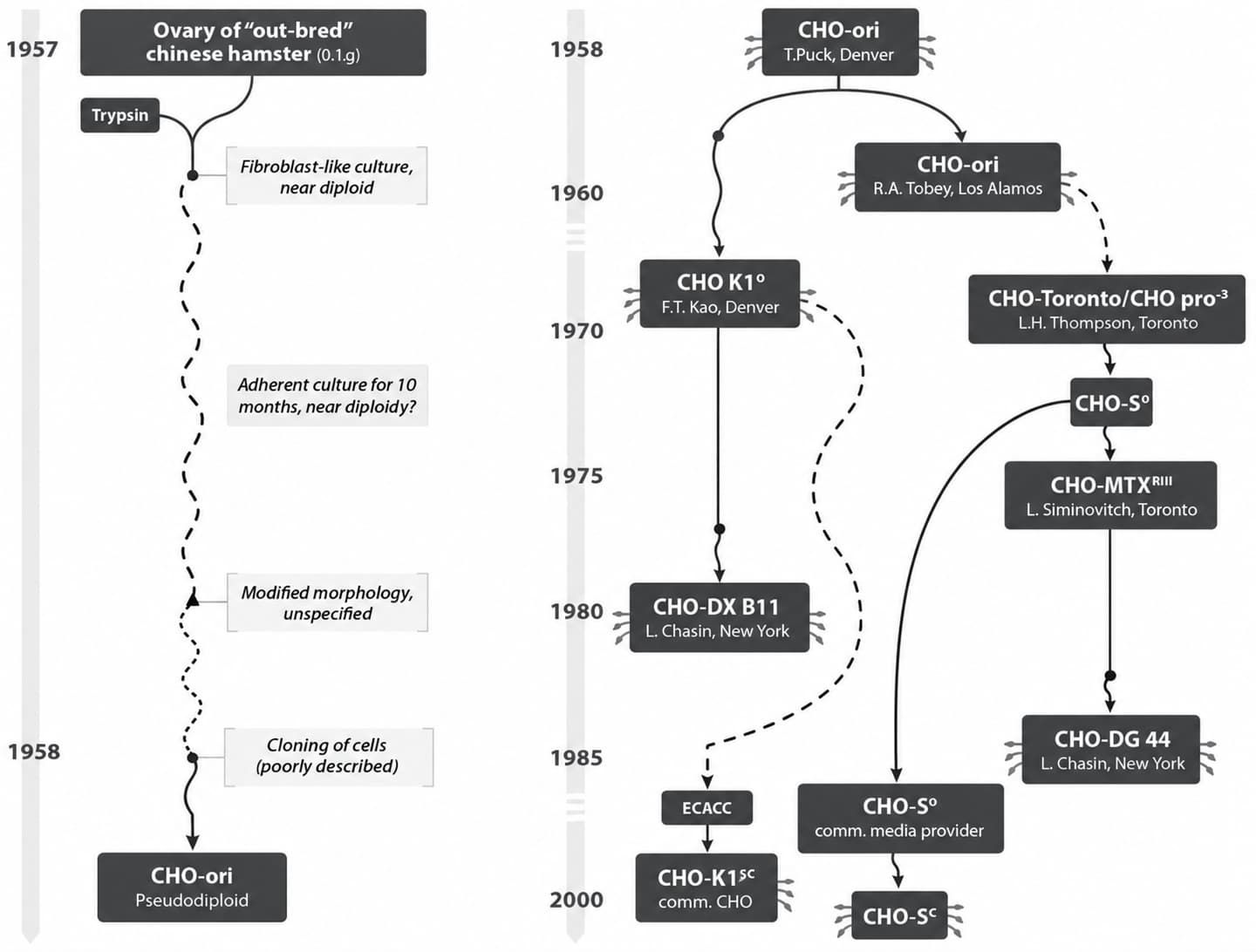
Figure 1. Reference: Processes. 2017;5(2):20.
As commonly used continuous cell lines (CCLs), CHO cells offer several significant advantages for biopharmaceutical manufacturing, as described in WHO TRS 978.
These advantages include:
The ability to establish comprehensive characterization and standardized culture procedures
Consistent cell characteristics maintained through a well-controlled cell banking system
Compatibility with standardized culture media
Adaptability to serum-free culture conditions in most production systems
The ability to adapt to suspension culture, enabling scalable production in bioreactors
These properties make CHO cells particularly suitable for the development and large-scale manufacturing of recombinant proteins and monoclonal antibodies.
The development and manufacturing process for monoclonal antibody therapeutics is complex and involves multiple stages, including:
Cell line development
Clone screening and selection
Cell banking
Process development
Process optimization
Scale-up and commercial manufacturing
Throughout these stages, the production cell line is a critical factor affecting final product quality.
Important cell-related attributes include:
Clonality following clone selection
Cell line characterization
Genetic stability
Passage stability
Consistency of cell growth and production characteristics
These attributes can directly influence critical quality characteristics of the final biological product.
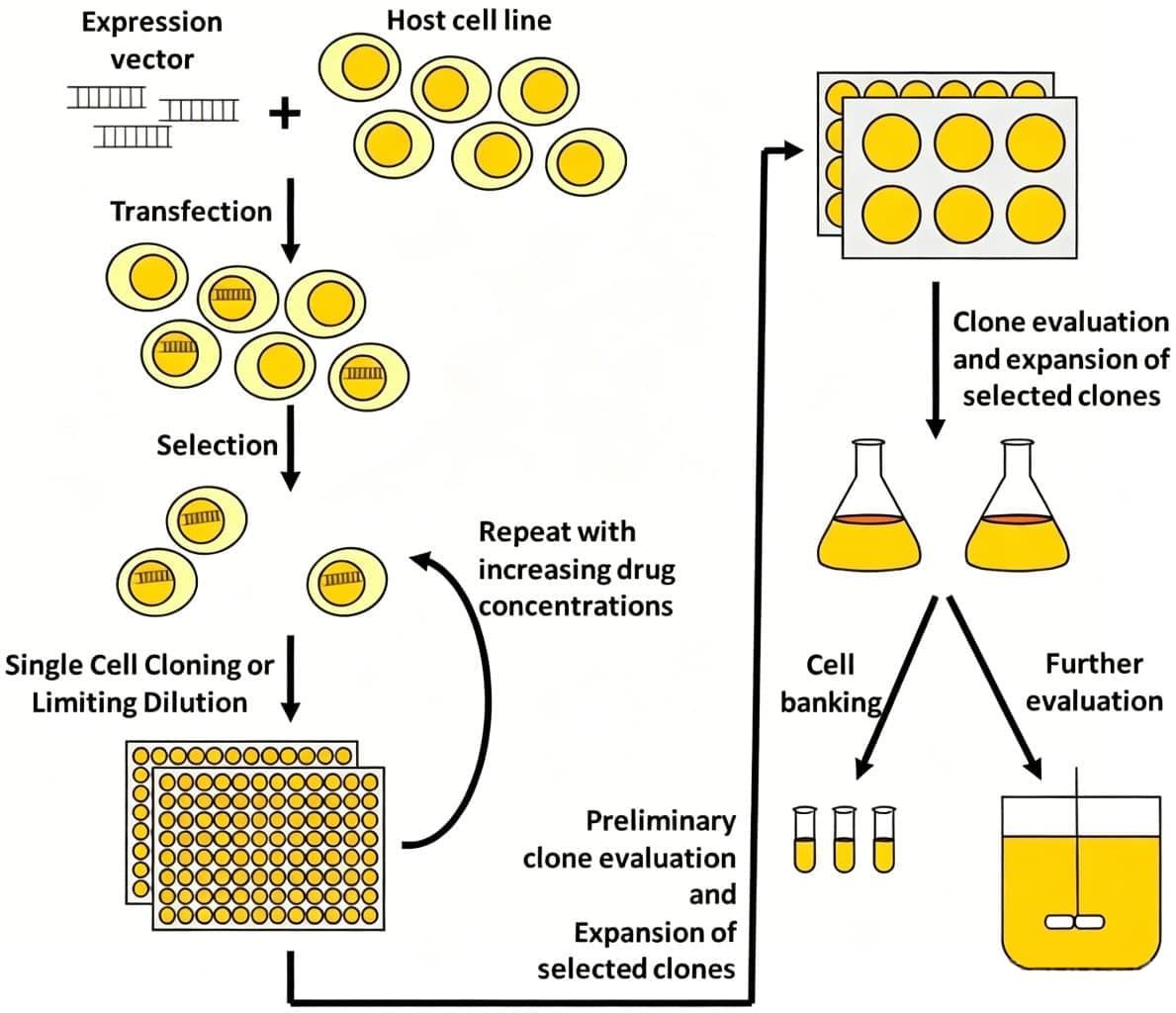
Figure 2. Reference: Pharmaceuticals. 2013;6(5):579–603.
Although CHO cells have become one of the most established production platforms for therapeutic proteins, the use of rodent-derived cells for manufacturing human biological products still presents potential biosafety risks.
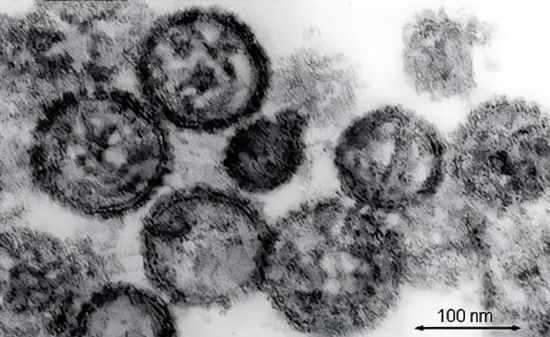
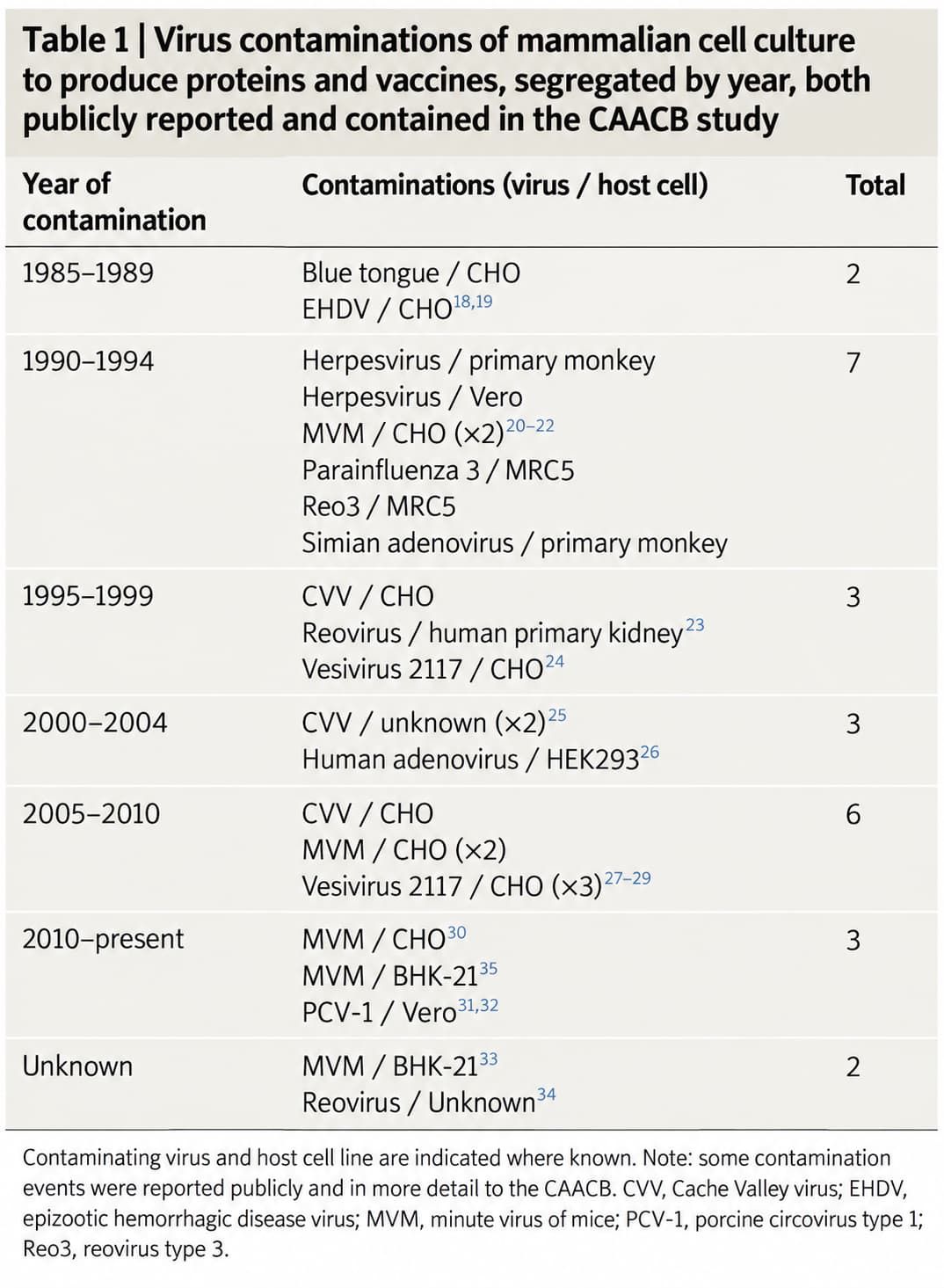
Over the past two decades, studies by the Consortium on Adventitious Agent Contamination in Biomanufacturing (CAACB) have documented multiple viral contamination events involving mammalian cell culture-based manufacturing systems.
Potential risks associated with CHO production systems include:
The presence of endogenous retrovirus-like particles in CHO cells
Contamination by adventitious rodent viruses
Contamination by viruses such as Minute Virus of Mice (MMV)
Such contamination events can present significant challenges to biopharmaceutical manufacturing and product safety.
Reference: Nature Biotechnology. 2020;38:563–572.
Downstream antibody manufacturing processes generally incorporate multiple virus inactivation and virus removal steps to reduce the risk of residual viral contamination.
Common virus clearance approaches include:
Low-pH virus inactivation
Chromatographic purification
Nanofiltration
Other dedicated or process-associated virus removal steps
Virus clearance validation studies are also performed to demonstrate the effectiveness of these processes.
However, downstream virus clearance alone cannot replace effective control at the source. Comprehensive cell bank characterization and biosafety testing remain essential strategies for minimizing viral contamination risks at the earliest stages of manufacturing.
A number of pharmacopoeias and regulatory guidelines require appropriate characterization of production cell lines.
Relevant references include:
Chinese Pharmacopoeia 2020 Edition, Volume III – General Requirements for the Preparation and Quality Control of Animal Cell Substrates Used for the Production and Testing of Biological Products
European Pharmacopoeia Chapter 5.2.3 – Cell Substrates for the Production of Vaccines for Human Use
FDA guidance
ICH Q5D
Comprehensive characterization of production cell lines is critical for controlling risks at the source and helping ensure the quality and biosafety of downstream biological products.
CHO cell line characterization generally focuses on four major areas:
Identity
Purity
Safety
Potency
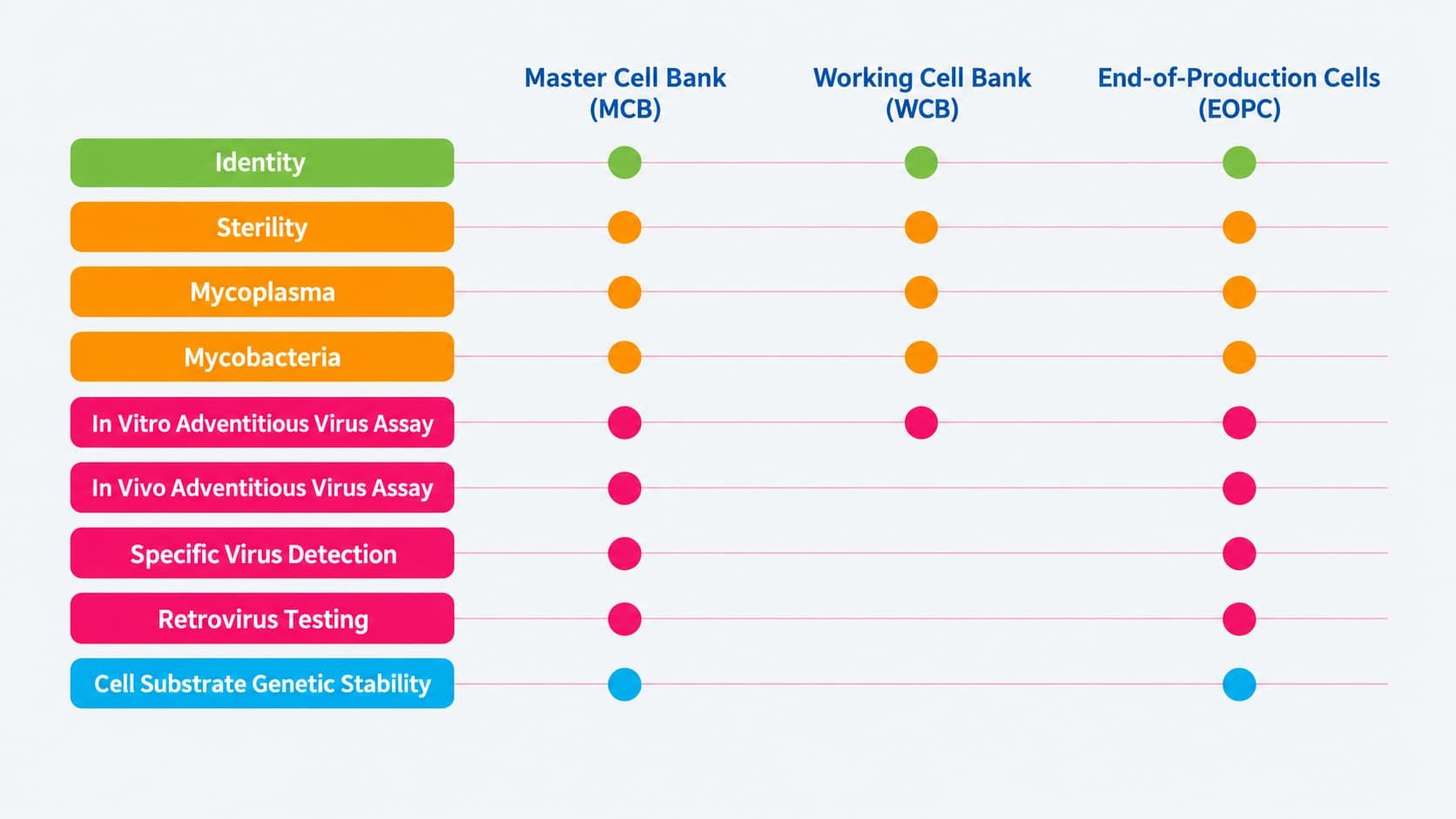
In addition, CHO cell banks are typically established and characterized through a tiered cell banking system.
Depending on applicable pharmacopoeial and regulatory requirements, testing may be performed for:
Primary Cell Bank (PCB)
Master Cell Bank (MCB)
Working Cell Bank (WCB)
End-of-Production Cells (EOPC)
EOPC testing is also generally conducted according to the requirements of the corresponding regulatory submission.
In addition to biosafety characterization, appropriate storage and management of production cell banks are essential.
The Chinese Pharmacopoeia, European Pharmacopoeia, and other regulatory frameworks indicate that production cell banks should be stored at at least two separate locations or storage areas under conditions comparable to those required for manufacturing.
Cell storage systems should also be continuously monitored and maintained to ensure that cell banks remain under highly stable and controlled storage conditions.
This approach reduces the risk of cell bank loss and helps maintain long-term consistency of the production cell substrate.
Cells are a critical starting material for biopharmaceutical manufacturing and are often obtained from established cell repositories such as the American Type Culture Collection (ATCC).
However, cell line misidentification and cross-contamination remain significant concerns in biological research and manufacturing.
It has been estimated that a meaningful proportion of cell lines used in laboratories may no longer correspond to their originally identified cell type or may have become cross-contaminated with other cell lines during culture and handling.
Therefore, when a laboratory works with more than one cell line, it is important to authenticate the cell lines at an early stage to minimize the risk of cross-contamination and misidentification.
Cell line contamination or incorrect identification can seriously compromise downstream biological product development and manufacturing.
For this reason, comprehensive cell line identity testing and authentication should be performed, together with appropriate testing for cross-contamination.
Relevant ATCC recommendations and FDA guidance emphasize the importance of confirming the identity of critical biological raw materials, including cell lines used in pharmaceutical development and manufacturing.
Several analytical methods can be used for cell line identity testing and authentication.
Morphological characteristics can provide preliminary information about cell identity and culture condition.
Biochemical techniques such as isoenzyme analysis can be used to differentiate cell lines based on characteristic enzyme profiles.
Immunological approaches may include testing based on:
Species-specific antisera
Histocompatibility antigens
Other characteristic immunological markers
Cytogenetic analysis may include:
Chromosome karyotyping
Marker chromosome analysis
These approaches can help identify species origin and characteristic chromosomal abnormalities.
DNA-based identification methods provide highly informative approaches for cell line authentication.
Common methods include:
DNA fingerprinting
Short Tandem Repeat (STR) analysis
Restriction Fragment Length Polymorphism PCR (RFLP-PCR)
Exon-Primed Intron-Crossing PCR (EPIC-PCR)
Additional approaches may include:
Hybridization assays
PCR-based assays
Reporter gene-based methods
Other molecular characterization technologies
The mitochondrial cytochrome c oxidase subunit I (CO1) gene is highly conserved across many higher eukaryotic organisms and can be used as a DNA barcode for species-level identification.
Animal CO1 barcoding typically analyzes an approximately 650-bp standardized DNA sequence located near the 5′ end of the CO1 coding region.
This sequence is considered a useful species identification marker because:
It contains conserved regions suitable for PCR amplification
It is associated with evolutionary differences among species
It lacks introns
It can be readily amplified and sequenced
Following PCR amplification using conserved primers, the resulting sequence can be analyzed and compared with reference databases.
One commonly used resource is the Barcode of Life Data System (BOLD Systems), which provides reference barcode sequence data for species identification.
Comparison of CO1 sequences with validated reference datasets can therefore support confirmation of the species origin and identity of a cell line.
Accurate cell line identification and comprehensive characterization provide an essential foundation for large-scale biopharmaceutical manufacturing and downstream purification.
Ensuring the identity, purity, safety, stability, and appropriate performance of production cell lines helps establish a reliable starting point for biologics manufacturing and supports consistent product quality throughout development and commercialization.
In the following articles, we will provide a more detailed introduction to cell purity testing, cell identity testing, and other key CHO cell characterization assays involved in biopharmaceutical manufacturing. Stay tuned for more insights from BRC Biotech.