A recent cluster of viral infections aboard the Atlantic cruise vessel Hondius has drawn heightened attention from public-health authorities and brought hantavirus—particularly Andes virus—into the public spotlight. Andes virus is currently the only hantavirus confirmed to have limited potential for person-to-person transmission.
Hantaviruses are enveloped, segmented, negative-sense RNA viruses primarily associated with rodent hosts. In biopharmaceutical manufacturing, the relevance of rodent-borne viruses extends beyond public health: Chinese hamster ovary (CHO) cells, derived from Cricetulus griseus, are among the most important mammalian expression systems for recombinant biologics.
CHO cell lines are widely used because they are easy to culture, adaptable to high-density suspension processes, and capable of efficient recombinant protein expression and post-translational modification. Today, CHO cells are used to manufacture a substantial proportion of recombinant protein therapeutics worldwide.
However, as a rodent-derived cell substrate, CHO cells also require comprehensive viral-safety assessment. Potential adventitious virus risks must be managed throughout the full product lifecycle—from cell bank establishment and cell culture to viral clearance validation.
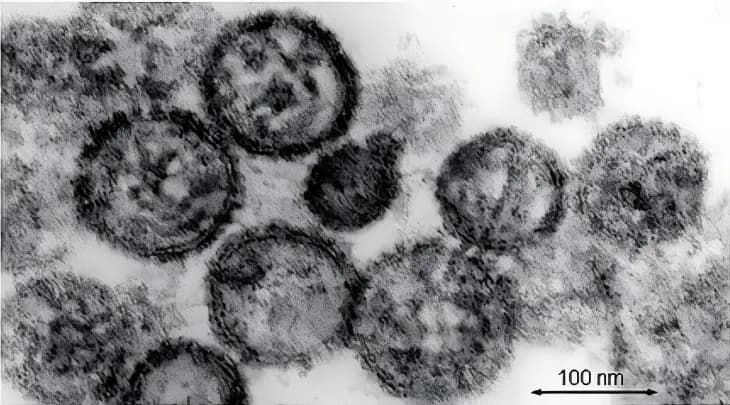
Figure 1. Hantavirus particles observed by transmission electron microscopy (TEM).
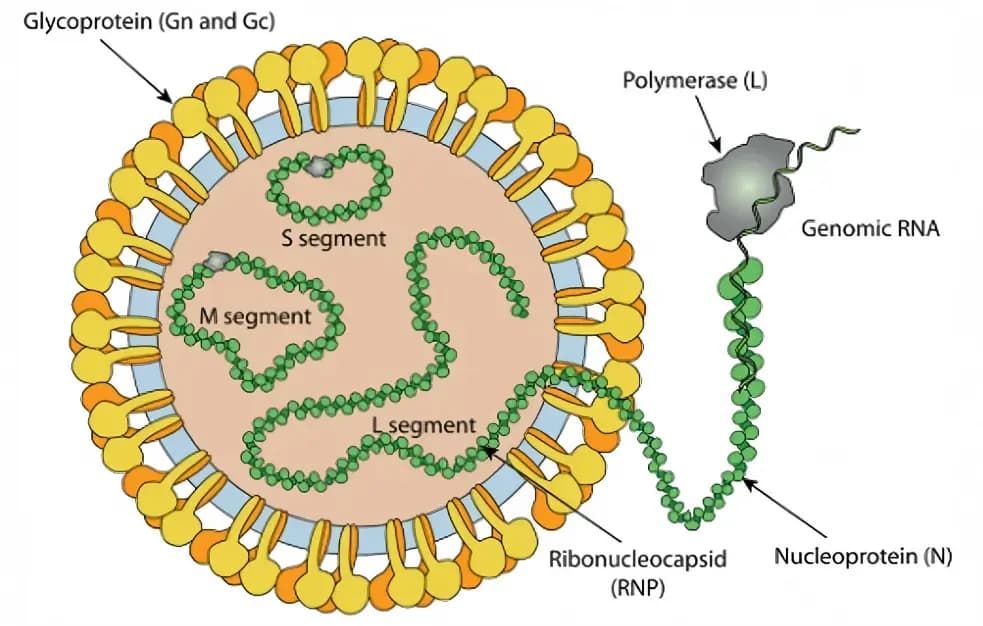
Figure 2. Schematic representation of the hantavirus structure.
Wild rodents are the natural hosts of hantaviruses. Through long-term co-evolution, rodents and hantaviruses have developed a relatively stable host–virus relationship; infected rodents commonly show no obvious clinical signs.
Similarly, hantaviruses may not produce clear cytopathic effects (CPE) in conventional in vitro cell-culture systems. This makes them difficult to detect through traditional cell-based observation alone. For this reason, the Mouse Antibody Production (MAP) test has long served as an important supplementary safeguard in biological safety evaluation.
With advances in hantavirus research, multiple analytical approaches are now available to support sensitive, specific, and fit-for-purpose detection.
In vivo antibody production assays can be used to detect antibodies generated in animals following exposure to specific rodent-associated viruses.
According to the source material, the MAP-based testing system can detect 16 rodent viruses, including hantavirus.
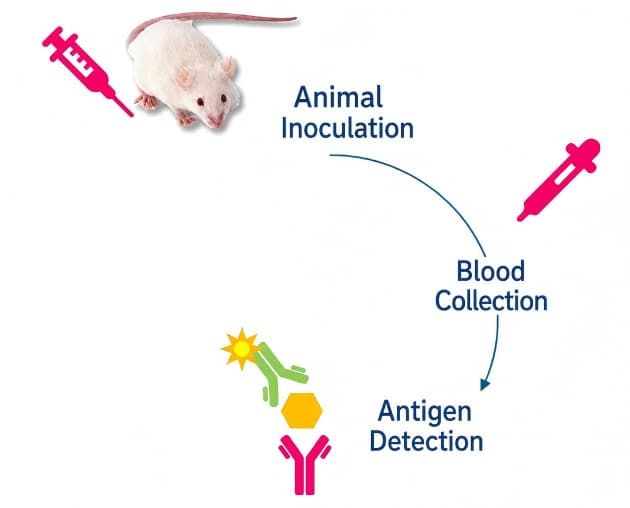
Figure 3. Workflow of the mouse antibody production assay
Real-time quantitative PCR is a rapid molecular method for hantavirus detection. Viral RNA is first reverse-transcribed into complementary DNA (cDNA), followed by PCR amplification and real-time signal monitoring.
This method can provide results within hours and is suitable for rapid hantavirus screening and lot-release support when a targeted and validated assay is required.
Targeted next-generation sequencing provides additional information beyond simple presence-or-absence detection.
By designing specific probes or primers, selected genomic regions or pathogen targets can be selectively enriched and sequenced.
tNGS can therefore be used not only to determine whether hantavirus sequences are present, but also to evaluate:
· Genetic variation
· Viral mutations
· Potential strain differences
· Virulence-associated characteristics
· Viral origin and traceability
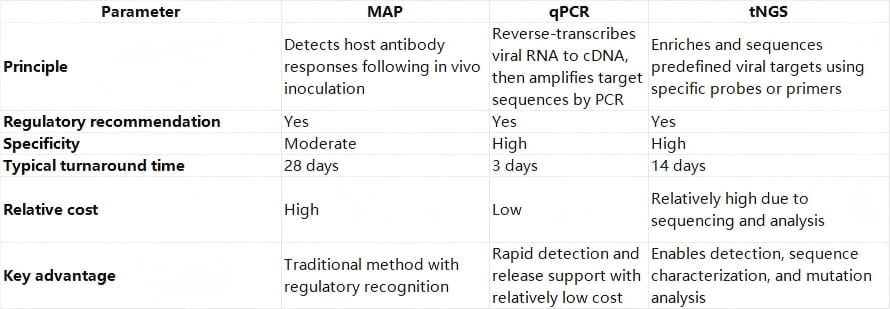
As a professional CRO specializing in biopharmaceutical safety testing, BRC Biotechnology has established an integrated technical platform that supports the full regulatory pathway for hantavirus detection.

The viral safety of recombinant protein therapeutics begins with rigorous control of every potential viral risk associated with CHO cell substrates. From initial testing of Master Cell Banks (MCBs) and routine monitoring of Working Cell Banks (WCBs) to specific challenge-virus testing in viral clearance validation studies, BRC Biotechnology provides testing strategies designed to support international regulatory expectations throughout antibody drug development. By combining fit-for-purpose biological, molecular, and sequencing-based tools, BRC Biotechnology helps developers identify and assess potential hantavirus-related and variant-associated risks at an early stage—before they may affect the quality, safety, or manufacturing continuity of antibody therapeutics.